Featured
Table of Contents
When businesses focus heavily on volume and sales velocity without equal attention to the customer experience after the sale, it creates a disconnect. Customers feel like a number instead of a priority. Change begins much earlier than the majority of individuals understand: It begins in marketing It continues through the sales procedure And it's strengthened through how customers are invited, supported, and assisted For higher-ticket offers, specifically, some level of individual connection throughout the sales procedure is ending up being significantly essential once again.
Group info sessions, behind-the-scenes walkthroughs, and chances to ask questions live can supply clarity and confidence without overwhelming your capacity. As we progress, companies that design their offers and delivery around real improvement will stick out in a crowded market. Another pattern that will continue to acquire traction is the need for properly designed gateway offers.
They want to build self-confidence. Not only in you, but in themselves and their ability to follow through and get outcomes. An entrance deal enables them to do precisely that. This is not about downselling or diluting your work. It has to do with producing an aligned entry point for the exact same audience you currently serve, one that fulfills them where they are and constructs momentum.
Entrance offers a more steady, trust-based path into deeper work, and they support much healthier long-lasting growth. Easier flows are becoming more effective, but with one essential shift: personalization and division matter more than ever.

It has to do with relevance. This is where AI can be incredibly effective when used strategically. When you can customize messaging, content, and next actions based upon someone's objectives, preferences, and phase of awareness, the experience feels supportive instead of overwhelming. Companies that invest the time to design customized journeys will see greater engagement and stronger conversion, even with simpler general systems.
How Automated Marketing Tools Drive Growth
The businesses and leaders who grow will be the ones who understand how all the pieces mesh. They can assess context, determine what matters most, and make choices aligned with long-term objectives rather than short-term reactions. Execution alone is becoming easier to change. Strategic thinking is not. This shift affects group functions, rates, and how expertise is positioned in the market.
January 15, 2026 12 minutesMarket shifts, technology interruptions, and rising consumer expectations mount daily in 2026. Entrepreneur and leaders face pressure as brand-new competitors transform industries nearly overnight. This post delivers 7 proven, actionable development strategies for service that drive genuine lead to today's unpredictable environment. Inside, you will discover practical techniques for consumer engagement, innovation, operational excellence, and more.
Business leaders should adapt quickly or risk being left behind. Growth strategies for company in 2026 are shaped by artificial intelligence adoption, standardized remote work, and shifting supply chains.
Optimizing AEO Performance in B2B Markets
Digital-first experiences are mandatory, and consumers require seamless personalization. Competition heightens as start-ups and global brand names aggressively get in brand-new markets. Over 80 percent of companies prepare to improve digital investments this year. According to Gartner's Strategic Predictions for 2026, dexterity and versatility are now necessary for organizations pursuing sustainable development.
Talent lacks make it tough to hire and maintain knowledgeable employees. Increasing costs and market fragmentation include intricacy, especially in medical and home services sectors. These markets battle with functional inadequacies and stalled growth, typically due to out-of-date processes or lack of digital integration. Info overload presents another challenge: decision-makers need to sift through large quantities of data to identify actionable insights.
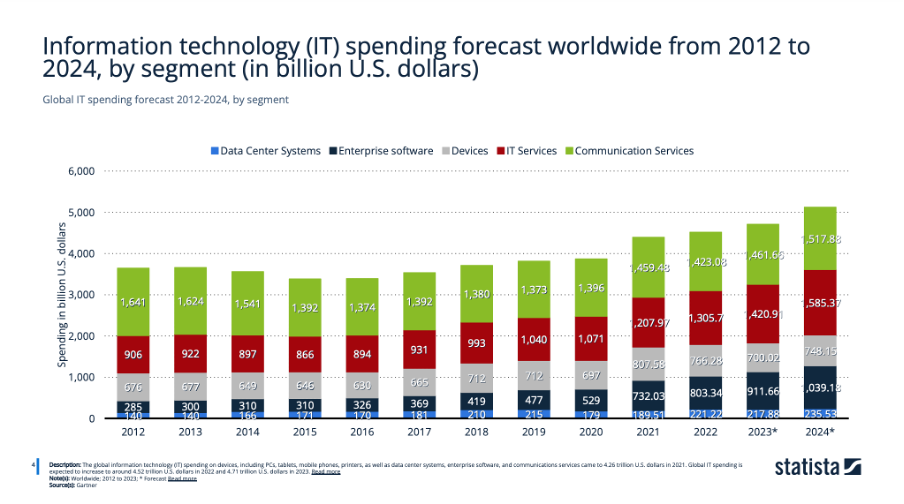
Research reveals that combining market growth with operational effectiveness yields extraordinary outcomes. Organizations that diversified into new markets while simplifying internal operations consistently surpassed competitors.
Why New York Case Studies Are Your Finest CloserThe Impact for AEO in Marketing Efforts
Successful organizations track development and change tactics based upon real-world outcomes rather than presumptions. Execution is the true differentiator. Many companies develop ambitious strategies, however just those focusing on real-world implementation attain sustainable development. The player-coach model, championed by Accountability Now, exemplifies hands-on management and responsibility. Instead of counting on vague guidance, services require actionable methods and clear ownership.

The most effective companies release strategies that are actionable, measurable, and proven in real-world circumstances. In 2026, market penetration indicates deepening relationships with existing customers.
Leading organizations utilize information to develop innovative client segmentation, making it possible for customized offers and targeted loyalty programs. Companies using data-driven personalization report over 20 percent greater repeat sales, demonstrating the power of this technique.
Advanced Revenue Support Tactics for Global Leaders
Typical risks include over-automation, which can make interactions feel impersonal, and overlooking client feedback. To prevent these, frequently evaluation consumer data and carry out feedback loops.
Why New York Case Studies Are Your Finest CloserBusiness that regularly progress their items and services stay ahead of moving customer requirements and competitors. Gathering constant consumer feedback, rapid prototyping and minimum practical item (MVP) launches, and regularly tracking market patterns through data analysis.
With 60 percent of 2026 development predicted from brand-new offerings, the important is clear. Avoid development for its own sake; focus on value creation and genuine client impact.
This vibrant technique spreads threat and opens new income streams. Netflix's international rollout is a masterclass in adjusting content for varied audiences. Coca-Cola succeeds by localizing products to fulfill regional tastes and cultural preferences. Identifying high-potential markets begins with information. Look for underserved sectors or areas with unmet needs and growing purchasing power.

Latest Posts
Mastering Modern Search Insights for Maximum Impact
How Machine Learning Refines Modern Marketing Workflows
Why Advanced AI Transforms Digital Content Workflows